
About the States Assembly

What is the States Assembly?

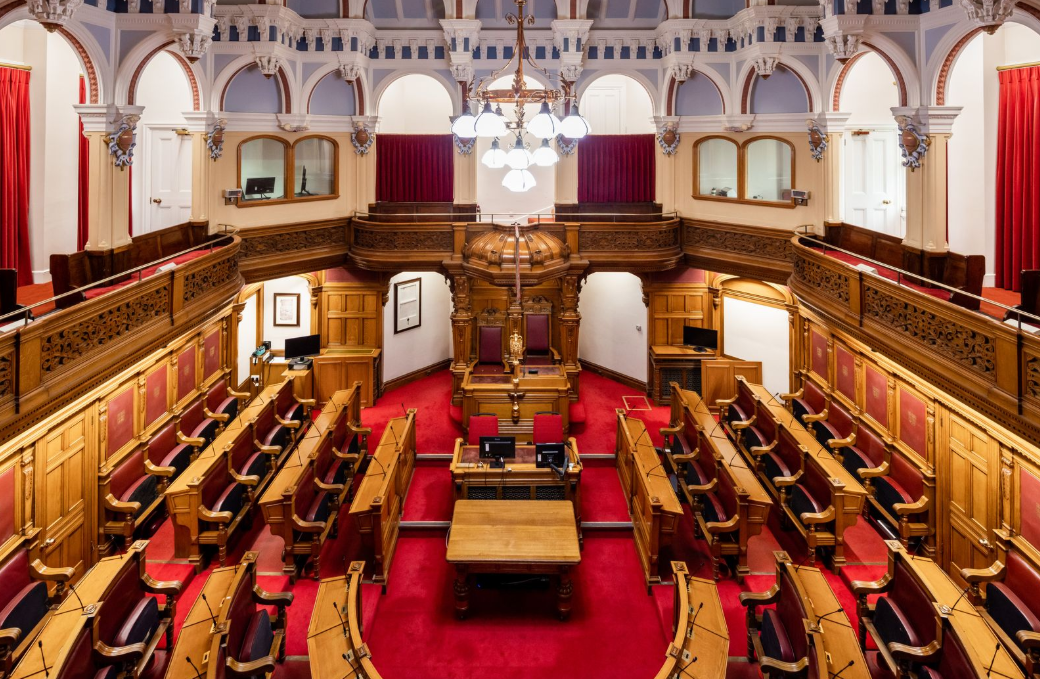
The States Assembly is Jersey’s elected parliament. It works on behalf of the people of the Island and is made up of 49 elected States Members who are responsible for:

  • Appointing Ministers to the Government of Jersey
  • Making and approving new laws for Jersey
  • Debating new policies and matters of public interest
  • Approving the amount of tax to be raised
  • Agreeing how public money should be spent by the Government of Jersey
  • Holding the Government to account through Scrutiny.

Every 4 years there is an election where Jersey residents can put themselves forward to become – or be re-elected – as a States Member.

Roles in the States Assembly

The States Assembly is currently made up of 49 States Members, including:

Constables – also known as ‘Connétables’. There is one Constable per Parish in Jersey. Constables are the head of their Parish and responsible for dealing with Parishioners’ queries, overseeing the policing of the Parish, and managing everyday matters such as rubbish and recycling collections, dog licences, and maintaining the roads within the Parish. Constables also represent their Parish in the States Assembly.

Deputies – who are elected to represent the interests of their constituency in the States Assembly, as well as engaging in wider issues affecting the whole Island. There are 37 Deputies spread across 9 electoral constituencies. Constituencies have between three and five Deputies depending on their population. Each Deputy represents approximately 3,000 Islanders.

The Assembly appoints the Chief Minister and Ministers to form the Government of Jersey. It also appoints the Chairs and members of various Scrutiny committees and panels.

The Assembly debates a wide variety of policy matters which can be brought forward for debate by the Council of Ministers, by Ministers or by individual members. Members are also able to ask questions to find out information and to hold Ministers to account.

Changes for the 2026 election

Following a decision made by the States Assembly on 20 March 2025, the Island-wide role of Senator is returning to the Assembly.

Islanders will be able to vote for the Connétable of their Parish, between 2-4 Deputies representing their local constituency, or Senator representing the whole Island. You can read more about this here.

Constituency Work

States Members work directly with residents of their constituency or Parish to help them resolve any problems.

Their work can involve helping constituents, such as making sure that they get the correct social security benefits, or resolving a planning dispute. Members receive many phone calls and emails from constituents on a daily basis. Constituency work can also take place in the community, at face to face drop-in sessions where Islanders can meet their elected Members to raise issues, seek assistance, or provide feedback.

States Meetings

The States Assembly meets every three weeks, with breaks at Christmas, Easter and during the summer.

Members need to read and research the main issues to be debated so that they can participate in the discussions and bring amendments if their constituents would be disadvantaged by any proposals, or where their constituents have expressed strong views.

States meetings typically start on Tuesday mornings at 9:30am and usually finish around 5:30pm. Meetings may take several days and last as long as it takes to finish debating all matters on the Order Papers, which are published on the States Assembly website.

You can watch States Meetings live in person or watch live or later online, on YouTube or X.

Ministers, Committees and Scrutiny Panels

Many Members are appointed to specific roles, which include:

  • Minister
  • Assistant Minister
  • Chair/member of the Public Accounts Committee
  • Planning Committee
  • Scrutiny Panels
  • Privileges and Procedures Committee

These roles involve participating in meetings, making decisions on policy, scrutinising policy and improving procedures.

States Members’ telephone numbers are found in the front of the telephone directory, and full contact details are listed on the States Assembly website.

The public can contact any of the States Members for help.